Baltic States
Festival Report 2026
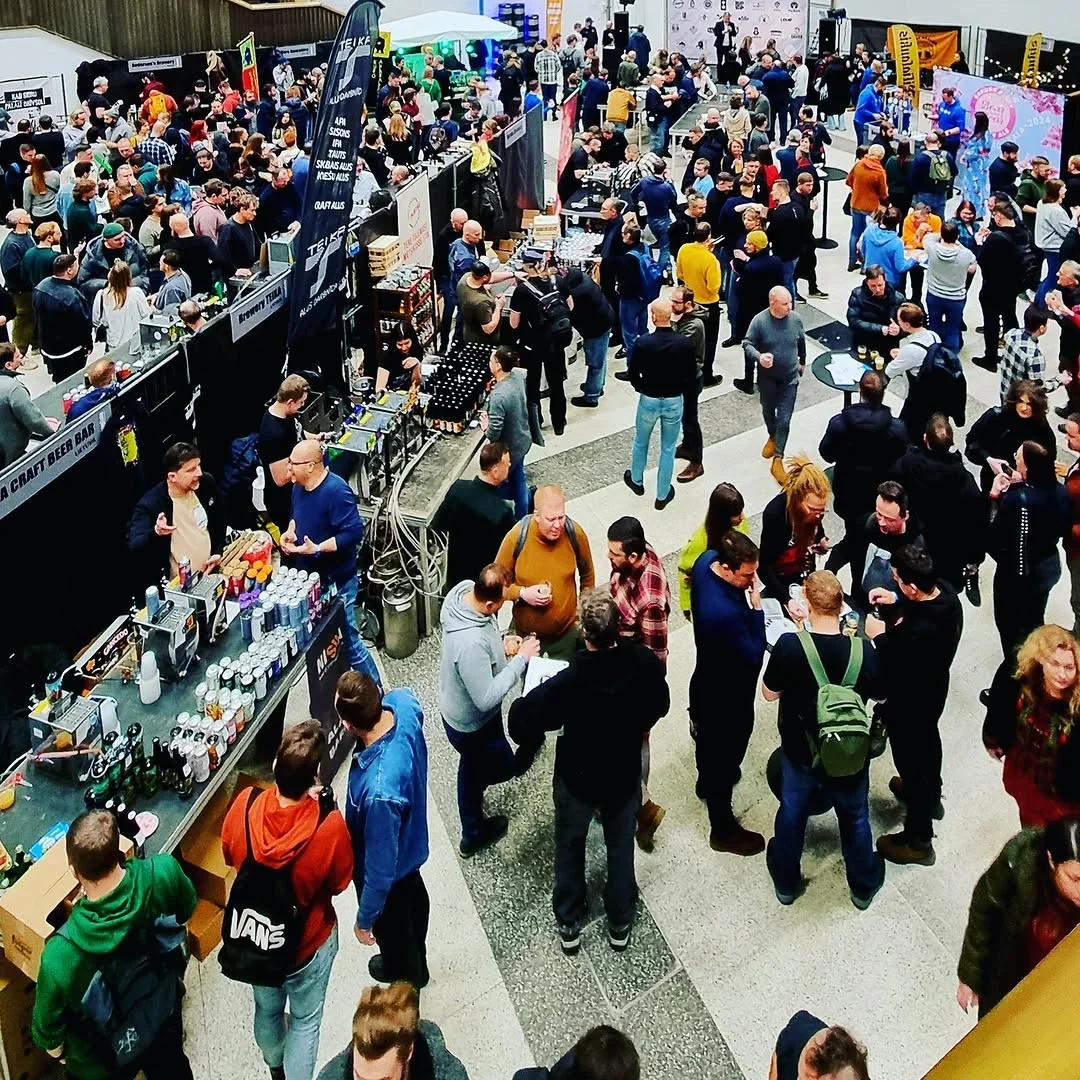
The Baltic States have emerged as one of Europe's most compelling festival regions, with 37 events scheduled across Estonia, Latvia, and Lithuania in 2026. This represents a concentrated cultural landscape where intimate venues like the 500-capacity Paavli Kultuurivabrik hosting Beats From The Vault sit alongside major events such as Tallinn International Festival Jazzkaar, drawing 25,000 attendees across nine days. Estonia dominates the regional calendar with 20 festivals, reflecting the country's established position as a cultural hub, whilst Latvia and Lithuania contribute nine and eight events respectively.
Sarah Pagel · 3 April 2026
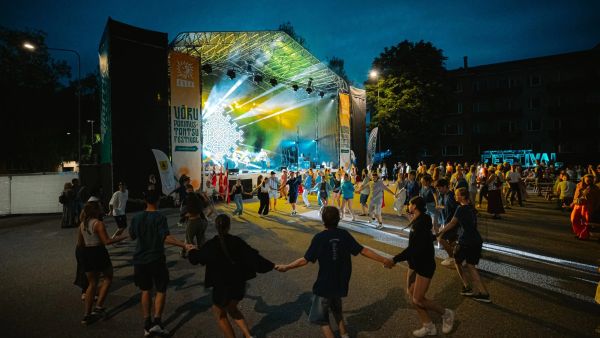
The data reveals fascinating seasonal clustering, with July accounting for 16 festivals—nearly half the year's programming compressed into peak summer. This creates both opportunities for festival-hopping adventures and challenges for accommodation booking. Genre diversity spans from Machine Nation Festival's underground house and techno programming at HALL to the folk traditions celebrated at Voru Folklore Festival, demonstrating the region's ability to serve both cutting-edge electronic music scenes and cultural preservation efforts within a compact geographical area.
By the Numbers
Here's how Baltic States's 2026 festival season breaks down across 3 countries – every figure drawn from our live database.
By Country
By Month
Top Genres
Baltic Brilliance: A Compact Cultural Powerhouse
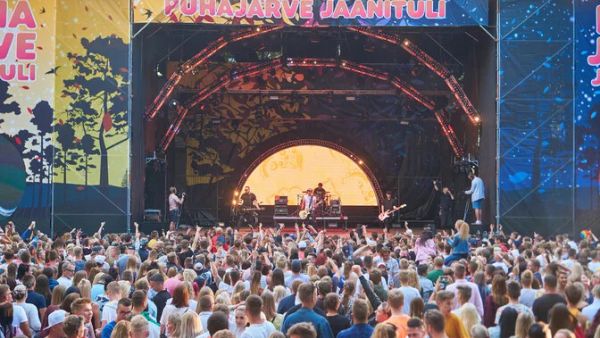
The Baltic States' festival landscape punches well above its weight, delivering 37 diverse events across three nations smaller than many individual European countries. Estonia leads the charge with 20 festivals, establishing itself as the region's undisputed cultural capital. This dominance becomes evident when examining flagship events like Tallinn Music Week, a four-day showcase attracting 4,200 attendees, and the genre-spanning Wondersala Festival, which remarkably runs for 70 days with a 13,000 capacity. Latvia contributes nine festivals to the regional mix, whilst Lithuania rounds out the offering with eight events, including the distinctive Baltic Culture and Extreme Music Festival KILKIM ZAIBU at Žalgirio hippodrome. The festival duration averages 5.4 days, suggesting organisers favour extended experiences over brief weekend formats. Camping options feature at 32% of events, with notable outdoor experiences including Puhajarve Jaanituli's midsummer celebration and the culturally rich KILKIM ZAIBU. Currency simplicity aids planning, with the Euro standard across all three countries. Capacity ranges vary dramatically from intimate 500-person gatherings like Beats From The Vault at Paavli Kultuurivabrik to major productions. This diversity creates opportunities for every type of festival-goer, from those seeking underground discoveries to massive mainstream celebrations. The concentration of events within relatively small geographical boundaries makes multi-festival tours particularly feasible, with overland distances between capitals rarely exceeding four hours by road or rail.
Summer Surge: Navigating the July Festival Frenzy
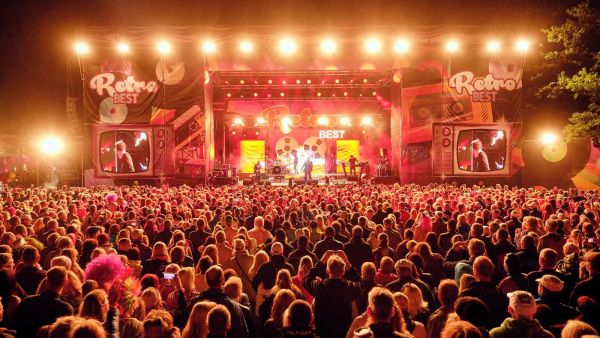
July dominates the Baltic festival calendar with a staggering 16 events—43% of the year's total programming crammed into a single month. This concentration creates exceptional opportunities for festival marathons but demands strategic booking, particularly for accommodation in Tallinn and Riga during peak periods. Voru Folklore Festival exemplifies July's appeal, running four days from 9th July when Baltic weather reaches optimal conditions for outdoor celebrations. February emerges as an unexpected secondary peak with four festivals, led by events like Zmogsala Beerfest at Kablys + Kultura and MURMURS Festival during Vilnius Music Week, capitalising on winter venue availability and lower travel costs. April matches February's tally, featuring major cultural events including Estonian Music Days' nine-day programme and Tallinn International Festival Jazzkaar's comprehensive jazz showcase. The extreme seasonal clustering leaves significant gaps, with single events scattered across March, May, October, and November. Smart festival-goers should book July accommodation by March, whilst February and April offer excellent value with lower tourist volumes and reduced accommodation pressure. August drops to just three festivals, making it ideal for those seeking less crowded experiences. The seasonal imbalance reflects practical considerations—Baltic summers provide optimal weather for camping festivals like Retrobest at Puhajarve park, whilst winter events capitalise on cosy indoor venues and cultural programming during traditionally quiet tourism periods.
Estonia's Cultural Dominance in the Baltic Triangle
Estonia's commanding presence with 20 festivals—54% of the regional total—establishes it as the Baltic States' cultural epicentre. Tallinn serves as the primary hub, hosting major events like Tallinn Music Week and the nine-day Tallinn International Festival Jazzkaar at Telliskivi Creative City. The country's festival infrastructure ranges from intimate underground venues like the 500-capacity Roheline saal hosting Ule Heli to significant outdoor spaces accommodating events like Puhajarve Jaanituli with its 15,000-person capacity. Estonian programming demonstrates remarkable genre diversity, from Hard Nation's EDM focus at Helitehas to the classical offerings of Estonian Music Days spanning nine venues. Latvia, contributing nine festivals, concentrates on quality over quantity with events like Machine Nation Festival showcasing the country's strong electronic music scene at HALL's 1,000-capacity venue. Lithuanian festival culture, represented by eight events, emphasises cultural authenticity through offerings like MURMURS Festival at Menu Fabrikas Loftas and the distinctive KILKIM ZAIBU, which combines Baltic folk traditions with extreme music genres. The geographical proximity of these three nations creates unique touring opportunities—festival-goers can experience multiple countries within a single trip, with efficient transport links connecting major venues. Estonia's festival season extends year-round, whilst Latvia and Lithuania show more seasonal concentration. Currency uniformity across all three countries simplifies budget planning, and the shared Baltic cultural heritage creates thematic connections between events whilst maintaining distinct national characteristics in programming and venue selection.
From Underground Techno to Baltic Folk: Genre Diversity Rules
Pop music leads the Baltic festival landscape with 15 events, reflecting the region's embrace of mainstream international acts alongside local talent. Rock and techno tie for second place with 13 festivals each, demonstrating the dual appeal of traditional rock programming and the region's vibrant electronic music scene. Machine Nation Festival and Beats From The Vault represent techno's underground credibility, whilst events like Hard Nation showcase EDM's commercial appeal. House music claims 10 festivals, often paired with techno programming as seen at Under Festival's three-day acid house celebration at rupnica STARS factory. Folk music's presence across 10 festivals highlights the Baltic States' commitment to cultural preservation, exemplified by Voru Folklore Festival's dedicated four-day celebration and KILKIM ZAIBU's innovative fusion of folk with punk and rock elements. Hip hop matches folk's representation with 10 festivals, indicating urban music's growing influence in traditionally folk-oriented cultures. Indie rock appears at eight festivals, whilst EDM programming reaches the same number, often overlapping with house and techno events. Jazz finds its showcase through Tallinn International Festival Jazzkaar's comprehensive programming, alongside classical music representation at Estonian Music Days. The genre distribution reveals sophisticated audience tastes spanning traditional Baltic folk culture, cutting-edge electronic music, and international mainstream programming. This diversity supports the region's average 5.4-day festival duration, providing time for varied lineups that can satisfy multiple musical interests within single events whilst maintaining distinct genre identities across the broader festival landscape.
Essential Experiences: Six Baltic Festivals That Define the Scene
Tallinn International Festival Jazzkaar stands as the region's flagship cultural event, running nine days from 24th April with a 25,000 capacity showcasing funk, jazz, and soul at Telliskivi Creative City. Its extended format and international reputation make it essential for serious music enthusiasts. Wondersala Festival defies conventional programming with an extraordinary 70-day run starting 6th June, accommodating 13,000 attendees with EDM, pop, and R&B programming that transforms summer in the region. Estonian Music Days offers cultural depth with its nine-day classical and jazz programme from 11th April, drawing 3,000 attendees across multiple venues for an immersive artistic experience. KILKIM ZAIBU provides authentic Baltic culture through its unique combination of folk, punk, and rock at Žalgirio hippodrome, offering camping accommodation for 2,500 attendees seeking genuine regional character. Puhajarve Jaanituli captures midsummer magic on 22nd June with its camping festival for 15,000, blending EDM, pop, and rap in traditional midsummer celebrations. MURMURS Festival during Vilnius Music Week on 26th February demonstrates winter programming excellence, hosting 22,000 attendees for pop, R&B, and folk at Menu Fabrikas Loftas. These six events represent the Baltic festival spectrum—from intimate cultural celebrations to major international productions, summer camping experiences to sophisticated winter programming. Each offers distinct value propositions whilst contributing to the region's growing reputation as a compact yet comprehensive festival destination that rivals larger European markets through quality programming and distinctive cultural authenticity.
Practical Planning: Navigating the Baltic Festival Circuit
The Baltic States' compact geography and shared Euro currency create ideal conditions for multi-festival touring, with efficient transport links connecting major venue cities within hours rather than days. Tallinn, Riga, and Vilnius serve as primary festival hubs, all accessible via international airports with budget airline connections throughout Europe. Advance booking becomes crucial during July's festival surge, when 16 events create accommodation pressure across the region. February and April festivals offer excellent value propositions with lower tourist volumes and reduced accommodation costs whilst maintaining high-quality programming. The 32% of festivals offering camping facilities provide budget-conscious alternatives, particularly valuable during peak summer periods. Transport between countries utilises efficient bus networks and affordable regional flights, making festival-hopping economically viable. Currency uniformity eliminates exchange complications, though card payments are widely accepted across all three nations. Booking lead times of 8-12 weeks prove optimal for July festivals, whilst winter events often allow shorter planning windows. The average 5.4-day festival duration suggests extended experiences rather than quick weekend visits, making accommodation location crucial for venue access. Budget considerations vary significantly—intimate 500-capacity venues offer different value propositions compared to major 25,000-person productions. The region's growing international reputation demands earlier booking for marquee events, whilst smaller festivals retain accessibility for spontaneous travel plans. Climate considerations prove essential, with July's concentration requiring summer preparation whilst February events need appropriate winter clothing for outdoor venue transitions.
Baltic States Festival Map
Every pin is a festival. Click one to see dates, genre, and how to get there.
Loading map...
Baltic States Festivals 2026
Explore every event in the 2026 season, from opening weekend to the final closing party. See the full list →
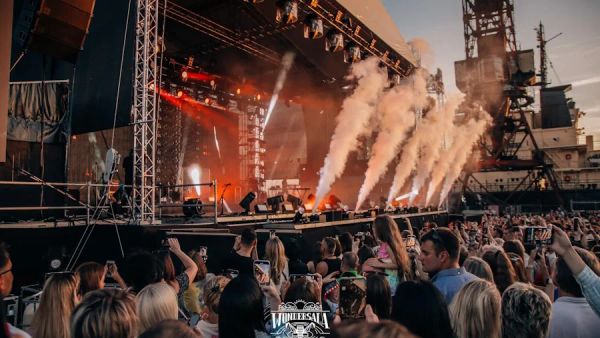
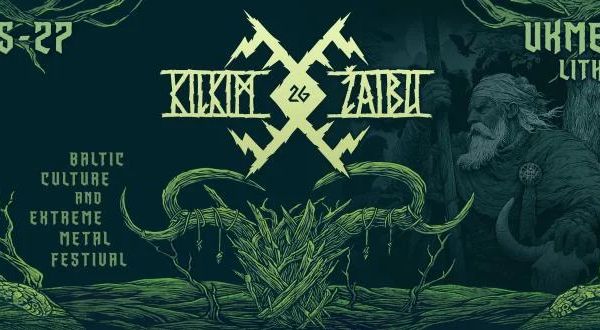
Baltic Culture and Extreme Music Festival KILKIM ZAIBU
25 Jun – 27 Jun · Žalgirio hippodrome
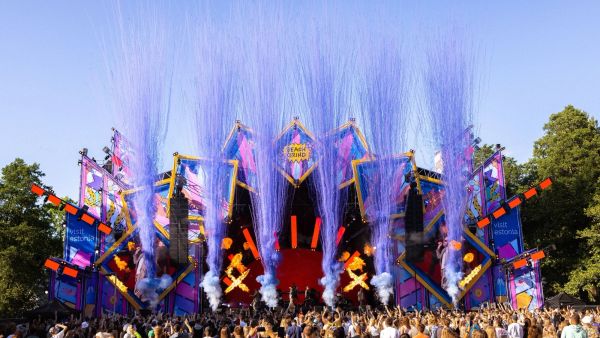
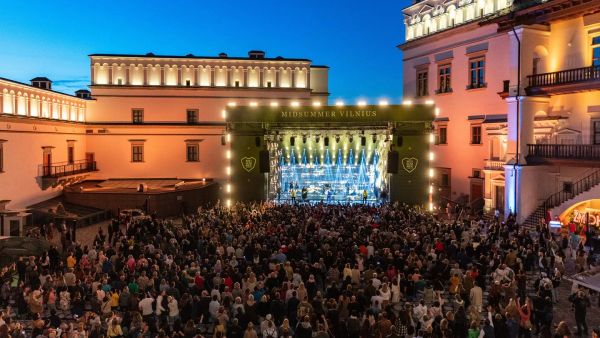
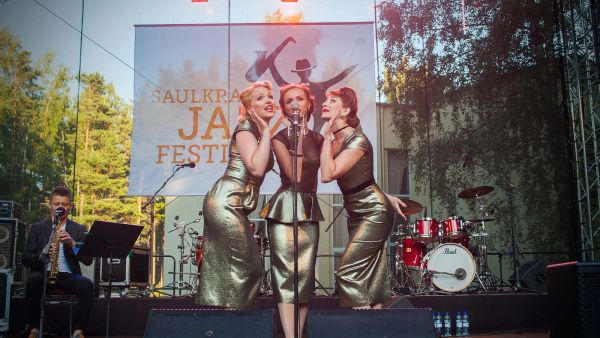
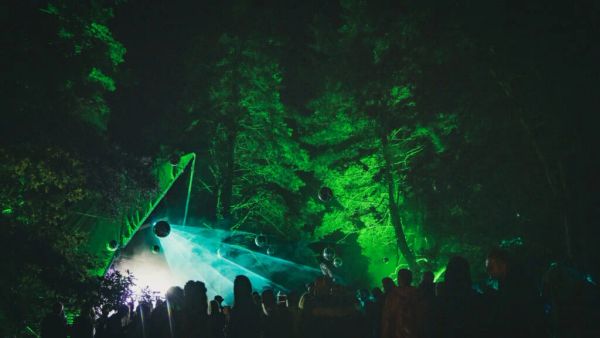
Midsummer Vilnius
11 Jul – 23 Jul · Courtyard of the Palace of the Grand Dukes
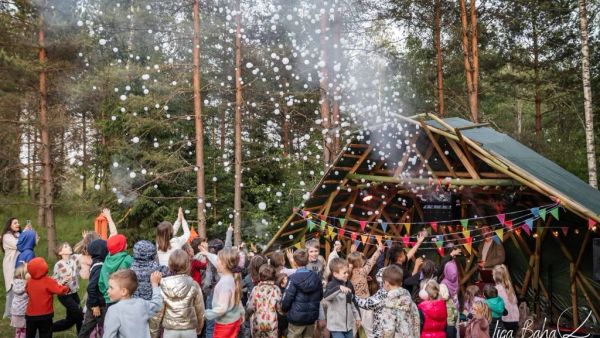
Yaga Gathering
16 Jul – 20 Jul · Spengla Lake (Yaga Gathering), Varėna District
Laba Daba
17 Jul – 19 Jul · University of Latvia conference and recreation centre "Ratnieki
Festivals by country in Baltic States
Explore by genre in Baltic States
Other regions

An independent music & festival researcher with 10+ years in the global dance scene.
3 April 2026
