Southern Europe
Festival Report 2026
Southern Europe's festival landscape reaches unprecedented scale in 2026, with 257 events spanning eight countries from the Iberian Peninsula to the Greek islands. The region's musical heartbeat pounds strongest in July, when 70 festivals create a cultural crescendo across sun-soaked venues from Barcelona to Athens. Spain emerges as the undisputed festival capital with 95 events, whilst Italy follows with 75 celebrations of music and culture. The electronic music revolution continues its Mediterranean march, with techno claiming 117 festivals—nearly half the region's total offerings.
Sarah Pagel · 3 April 2026
From intimate gatherings like Inner_Spaces at Milan's Auditorium San Fedele (450 capacity) to massive spectacles such as Colour Day Festival at Athens' OAKA Olympic Stadium (50,000 capacity), the diversity spans every conceivable scale and genre. Portugal's 44 festivals and Greece's 19 offerings round out a scene where traditional Mediterranean warmth meets cutting-edge musical innovation, creating Europe's most dynamic summer festival circuit.
By the Numbers
Here's how Southern Europe's 2026 festival season breaks down across 8 countries – every figure drawn from our live database.
By Country
By Month
Top Genres
The Numbers Behind the Mediterranean Music Boom
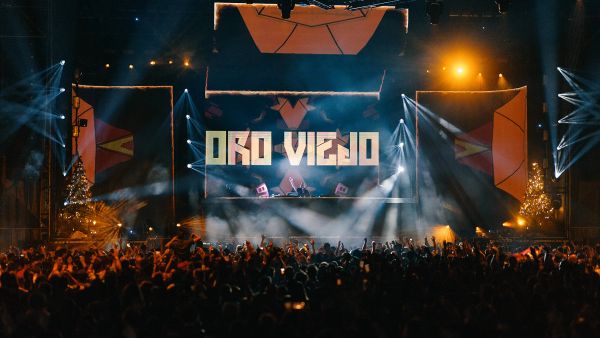
Southern Europe's 2026 festival calendar represents a 257-strong constellation of musical experiences, distributed across eight countries with remarkable geographical concentration. Spain's dominance becomes immediately apparent with 95 festivals—more than a third of the region's total—establishing the Iberian Peninsula as Europe's festival epicentre. Italy's 75 events showcase the country's evolving musical identity, whilst Portugal's 44 festivals demonstrate how smaller markets can punch above their weight in cultural programming. The mathematical precision of this distribution reveals strategic clustering: the top three countries account for 214 festivals, or 83% of the region's total offerings. Greece contributes 19 festivals, leveraging its island geography and summer tourism infrastructure, whilst Malta's surprising 18 events showcase how micro-markets can create outsized cultural impact. The remaining trio—Andorra (3), Monaco (2), and Cyprus (1)—illustrate how even Europe's smallest nations participate in the continental festival economy. Average festival duration stretches to 10.1 days, significantly longer than Northern Europe's typically weekend-focused events, reflecting Mediterranean cultural preferences for extended celebrations. This extended format appears in events like Oro Viejo, which spans an remarkable 148 days at Madrid's IFEMA, transforming from festival to cultural institution. Only 26% offer camping facilities, suggesting most attendees rely on regional accommodation infrastructure rather than temporary festival cities.
When Southern Europe Comes Alive: The Festival Calendar
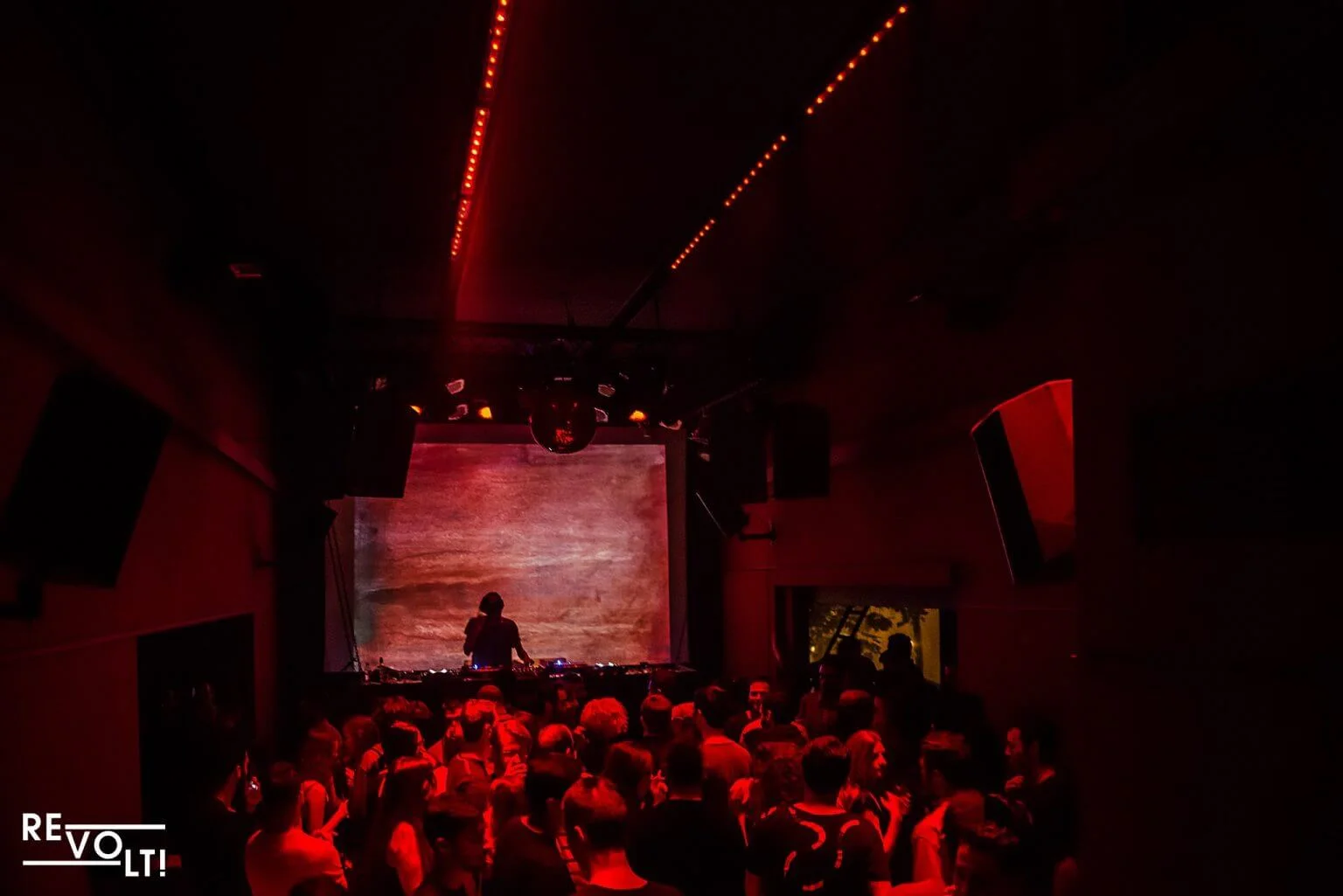
July emerges as Southern Europe's undisputed festival month, with 70 events creating the year's cultural crescendo during peak Mediterranean summer. This concentration reflects both climatic advantages—reliably dry, warm weather across the region—and tourism synergies, as international visitors combine beach holidays with festival experiences. June follows with 47 festivals, establishing a powerful early-summer launch pad, whilst August's 35 events maintain momentum through the traditional European holiday period. The shoulder seasons offer compelling alternatives: May's 30 festivals provide pre-peak pricing and more comfortable temperatures, particularly attractive for events like Enter the Snow, which uniquely combines music with Alpine settings. September's 27 festivals capitalise on lingering warm weather and post-holiday enthusiasm, whilst still offering substantial savings on accommodation and flights. Winter programming remains minimal but intriguing—January's 5 festivals include innovative concepts like Revolt Athens, operating from a secret location, and Medusa Winter Takeover at Marchica Après-Ski in Formigal. The data suggests optimal booking windows of 3-4 months ahead for peak season events, given accommodation pressures during July's festival concentration. Early-season festivals often provide superior value propositions: lower ticket prices, reduced accommodation costs, and more authentic local experiences without peak-season tourism crowds. Festival organisers increasingly extend programming duration to maximise venue investments and create immersive experiences that justify extended stays.
National Scenes: From Spanish Dominance to Greek Innovation
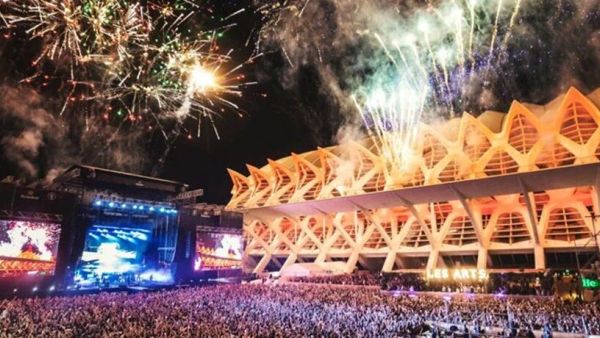
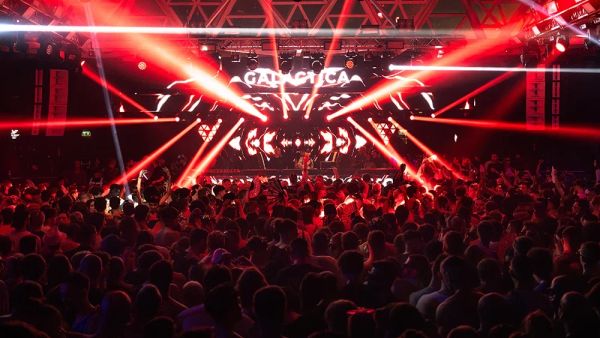
Spain's 95 festivals establish the country as Southern Europe's uncontested festival superpower, representing nearly 37% of regional programming. The Spanish scene demonstrates remarkable diversity, from massive electronic gatherings to intimate cultural celebrations, with venues ranging from Madrid's Parque Enrique Tierno Galvan hosting Brunch Electronik Madrid (10,000 capacity) to more experimental spaces. Italy's 75 festivals reflect the country's sophisticated cultural infrastructure and growing electronic music appetite. Events like Galactica Festival at the legendary Cocorico venue (10,000 capacity) showcase how traditional Italian venues adapt to contemporary musical demands, whilst Inner_Spaces at Milan's Auditorium San Fedele demonstrates the country's embrace of intimate, high-quality programming for discerning audiences. Portugal's 44 festivals punch significantly above the country's size, with Elrow Town Lisbon at FIL commanding impressive 15,000-capacity audiences and establishing Lisbon as a serious electronic music destination. The Portuguese scene benefits from year-round climatic advantages and growing international recognition as a cultural hotspot. Greece's 19 festivals leverage the country's unique geographical assets—islands, ancient venues, and summer tourism infrastructure. Colour Day Festival's ambitious 50,000-capacity at OAKA Olympic Stadium demonstrates how Greek festivals utilise world-class sporting venues for musical purposes. Malta's surprising 18 festivals showcase how smaller nations create outsized cultural impact through concentrated programming and strategic positioning as Mediterranean festival destinations, often attracting audiences from across Europe seeking unique island experiences combined with cutting-edge musical programming.
The Electronic Revolution: Techno's Mediterranean Conquest
Techno's dominance over Southern Europe's 2026 festival scene appears absolute, with 117 events—45% of all festivals—embracing the genre's hypnotic rhythms. This electronic supremacy reflects broader European musical trends whilst capitalising on Mediterranean venues' natural affinity for outdoor dance experiences. Pop follows with 103 festivals, demonstrating mainstream music's enduring commercial appeal, particularly for larger-capacity events targeting diverse demographics. Rock maintains surprising strength with 88 festivals, suggesting traditional genres retain significant audience loyalty despite electronic music's commercial momentum. The hip hop scene claims 76 festivals, reflecting the genre's global growth and particular resonance with younger European audiences. House music variants demonstrate remarkable granular appeal: traditional house commands 73 festivals, deep house captures 60 events, and tech house claims 48 festivals, illustrating how electronic music's sub-genres create distinct festival programming opportunities. This electronic ecosystem creates programming synergies—many festivals combine multiple electronic sub-genres, allowing organisers to book complementary artists and create coherent musical narratives. Venues particularly suit electronic music's technical requirements: consistent power supply, sophisticated sound system installations, and outdoor spaces that accommodate extended dance sessions without noise restrictions affecting residential areas. The genre distribution also reflects booking economics: electronic artists often command lower fees than equivalent pop or rock acts whilst delivering comparable audience draws, improving festival financial margins and enabling more experimental programming approaches.
Festival Essentials: The Events Defining 2026
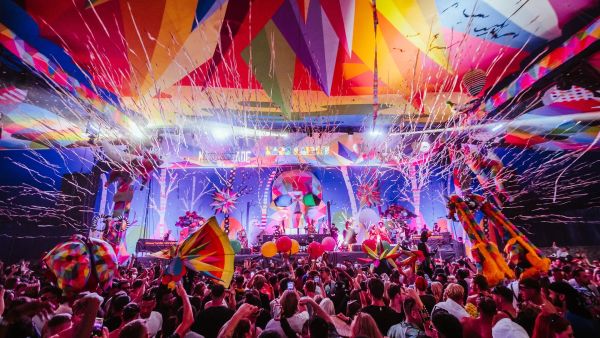
Several festivals emerge as essential experiences defining Southern Europe's 2026 musical landscape. Colour Day Festival commands attention with its massive 50,000-capacity at Athens' iconic OAKA Olympic Stadium on 15th February, combining pop, R&B, and rap in a rare winter spectacular that challenges seasonal festival conventions. Elrow Town Lisbon transforms FIL - Feira Internacional de Lisboa into a 15,000-strong electronic paradise over Valentine's weekend, showcasing the brand's signature immersive production values with disco, house, and techno programming. Festival della canzone italiana offers cultural gravitas at Teatro Ariston from 24th February, presenting pop, folk, and funk across five intimate days for 2,000 attendees—proving smaller venues create equally compelling experiences. Inner_Spaces at Milan's prestigious Auditorium San Fedele spans an extraordinary 113 days from 26th January, delivering techno, dubstep, and deep house programming for discerning audiences of 450, representing festival programming's experimental edge. Oro Viejo pushes temporal boundaries with its 148-day residency at Madrid's IFEMA from 7th March, accommodating 14,000 attendees across EDM, techno, and trance programming—transforming traditional festival concepts into extended cultural experiences. Enter the Snow uniquely combines music with Alpine adventure at Via Lattea from 7th March, offering 8 days of pop, disco, and house for 10,000 attendees, demonstrating how innovative venues create differentiated festival experiences that transcend traditional summer outdoor programming limitations.
Getting There: Navigating Southern Europe's Festival Circuit
Southern Europe's festival accessibility benefits from exceptional transport infrastructure, with major hubs including Madrid-Barajas, Rome-Fiumicino, Barcelona-El Prat, and Athens International Airport providing comprehensive European connectivity. Budget airlines serve most festival destinations, with booking windows of 6-8 weeks typically offering optimal price-performance ratios. The euro's dominance across Spain, Italy, Portugal, Greece, Malta, and Andorra simplifies financial planning, eliminating currency exchange complications for most festival circuits. High-speed rail networks, particularly Spain's AVE system and Italy's Frecciarossa services, enable efficient inter-city festival hopping without flight requirements. Accommodation costs vary dramatically by location and timing: July's 70-festival concentration creates premium pricing pressure, particularly around major events, whilst shoulder season festivals offer substantially better value propositions. Festival-specific transport often operates from major cities—many organisers provide dedicated shuttle services from airports and city centres, factored into ticket pricing. Camping accommodation, available at 26% of festivals, provides budget-conscious alternatives whilst creating authentic festival community experiences. Regional travel passes, including Eurail options and national rail cards, deliver significant savings for multiple festival attendance. Lead times prove crucial: accommodation booking 8-12 weeks ahead typically secures reasonable pricing, whilst last-minute arrangements during peak season often prove prohibitively expensive. Ferry services connecting mainland Europe with island festivals in Greece and Malta often provide scenic alternatives to flying, particularly valuable for groups or extended stays combining multiple events across the Mediterranean festival circuit.
Southern Europe Festival Map
Every pin is a festival. Click one to see dates, genre, and how to get there.
Loading map...
Southern Europe Festivals 2026
Explore every event in the 2026 season, from opening weekend to the final closing party. See the full list →





Festivals by country in Southern Europe
Explore by genre in Southern Europe
Other regions

An independent music & festival researcher with 10+ years in the global dance scene.
3 April 2026
