Australia & New Zealand
Festival Report 2026
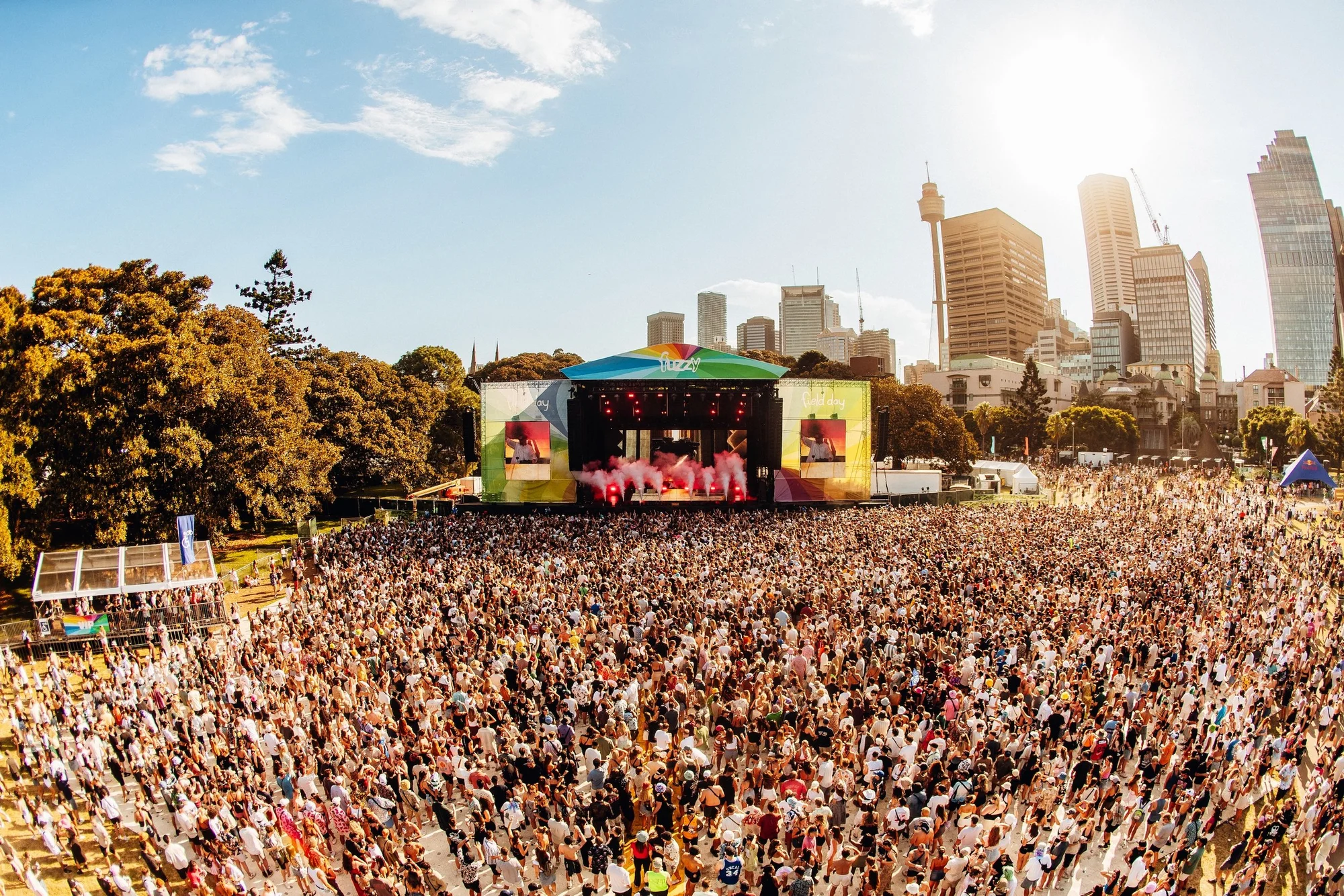
Australia and New Zealand's festival landscape reaches new heights in 2026, with our comprehensive analysis revealing 292 festivals across three countries. Australia dominates with 278 events, whilst New Zealand contributes 13 festivals and Fiji rounds out the regional offering with one major event. The summer season launches spectacularly with Field Day Sydney drawing 30,000 revellers to The Domain on New Year's Day, whilst electronic music fans can choose between Let Them Eat Cake at Werribee Park or the intimate 1,000-capacity Smalltown at Collingwood Yards.
Sarah Pagel · 3 April 2026
Rock music maintains its crown as the region's most celebrated genre, powering 119 festivals, closely followed by folk's impressive 111 events. The seasonal distribution reveals fascinating patterns, with March emerging as the peak month hosting 48 festivals, followed by February's 46 events as the Southern Hemisphere's summer reaches its crescendo.
By the Numbers
Here's how Australia & New Zealand's 2026 festival season breaks down across 3 countries – every figure drawn from our live database.
By Country
By Month
Top Genres
A Festival Powerhouse Spanning Three Nations
The Australia and New Zealand festival circuit represents one of the world's most diverse and well-established music ecosystems, with 292 festivals generating significant cultural and economic impact across the region. Australia's festival infrastructure proves remarkably robust, hosting 278 events that span from intimate 300-capacity classical performances like the Intervarsity Choral Festival at Llewellyn Hall to massive 35,000-strong gatherings such as Symphony in the Domain. The camping festival culture remains deeply embedded, with 42% of all events offering on-site accommodation options. This reflects the vast distances and remote locations that characterise many Australian festivals, from the legendary Parkes Elvis Festival in regional New South Wales to Churchill Island's Ocean Sounds, where 3,000 festival-goers can camp beside heritage farm grounds. New Zealand's contribution, whilst smaller in number at 13 festivals, maintains the region's reputation for quality over quantity. The average festival duration of 5.2 days indicates a preference for immersive experiences rather than quick hits, with events like the Summer Sundays series stretching across 22 days at Ballarat Botanical Gardens. Free and accessible festivals comprise just 9% of the total, suggesting a market where audiences are willing to invest substantially in premium festival experiences. The diversity spans from the 500-capacity Cigar Box Guitar Music Festival at Coronation Hotel to mainstream juggernauts, creating opportunities for every budget and musical taste.
Summer Surge Defines the Festival Calendar
The Southern Hemisphere's summer completely transforms the festival landscape, with March claiming the crown as peak month with 48 festivals, closely followed by February's 46 events. January kicks off the season strongly with 31 festivals, creating a three-month window that accounts for 125 of the year's 292 events—nearly 43% of all festivals condensed into the prime summer period. This concentration reflects Australia and New Zealand's seasonal realities, where outdoor events capitalise on warm weather and holiday periods. The autumn shoulder season offers compelling value, with April hosting 27 festivals as temperatures remain pleasant but crowds thin out. Savvy festival-goers increasingly target this period for better accommodation rates and less congested venues. Winter months present the year's quietest period, with August recording just 12 festivals, making it ideal for indoor venues and niche genres. Jazz enthusiasts might find gems during these quieter months, whilst the 68 jazz festivals spread throughout the year offer consistent programming. October begins the spring recovery with 29 festivals, as venues prepare for the summer surge. Booking lead times vary dramatically by season—summer festivals often sell out 6-12 months in advance, whilst shoulder season events may offer tickets just weeks beforehand. The Cygnet Folk Festival in January exemplifies smart timing, offering 3 days of folk, reggae, and Americana with camping options when Tasmania's weather is most reliable.
Australia's Overwhelming Dominance Shapes Regional Trends
Australia's 278 festivals create an overwhelming dominance that essentially defines the entire regional landscape, representing 95% of all events across the three-country analysis. This concentration reflects Australia's population of 26 million, extensive festival infrastructure, and established touring circuits that support everything from 1,000-capacity electronic events like Smalltown to massive affairs such as Wildlands Brisbane, which draws 20,000 to Brisbane Showgrounds with camping facilities. The geographical spread ensures every major Australian city hosts multiple festivals, with Sydney alone featuring events like Field Day Sydney (30,000 capacity) and Symphony in the Domain (35,000 capacity) within days of each other. New Zealand's 13 festivals represent a dramatically smaller but proportionally significant contribution given its 5.1 million population, suggesting a comparable per-capita festival appetite. These events typically focus on quality and unique settings, often incorporating the country's stunning natural landscapes. Fiji's single festival entry highlights the emerging Pacific Island festival scene, though specific details remain limited in our dataset. The currency landscape reflects this distribution, with the Australian Dollar (AUD) dominating transactions, followed by the New Zealand Dollar (NZD) and Fiji Dollar (FJD). Australia's festival density creates unique touring opportunities, allowing artists to perform multiple events within short timeframes and enabling festival-goers to create multi-event itineraries. This concentration also drives significant seasonal migration patterns, with thousands travelling between cities and states to follow the festival circuit, particularly during the peak summer months.
Rock and Folk Lead a Surprisingly Diverse Musical Spectrum
Rock music's commanding position with 119 festivals demonstrates the genre's enduring appeal across Australia and New Zealand, closely challenged by folk music's impressive 111 events. This near-parity suggests a fascinating cultural balance between high-energy rock performances and the more intimate, storytelling-focused folk tradition. Country music claims the third position with 108 festivals, reflecting the rural Australian identity and the genre's strong regional following, exemplified by events like the Parkes Elvis Festival, which transforms a regional town into a 25,000-capacity celebration. Pop music's 103 festivals and indie rock's 94 events highlight the contemporary scene's vitality, with festivals like Snack Festival showcasing EDM, pop, and R&B to 20,000 attendees at Claremont Showground. The blues genre maintains a solid presence with 87 festivals, demonstrating the region's appreciation for this foundational musical form. Jazz commands respect with 68 festivals, from intimate venues to prestigious events like the Peninsula Summer Music Festival, which blends funk, jazz, and classical over nine days. Hip hop's 65 festivals represent the genre's growing influence, with events like No One But Us bringing rap, hip hop, and drum & bass to 20,000 fans at Langley Park. Electronic music threads through multiple genre classifications, appearing in EDM, house, and techno categories across various festivals. This diversity ensures every musical taste finds representation, from the 300-capacity classical focus of the Intervarsity Choral Festival to genre-blending events that combine reggae, americana, and folk like the Cygnet Folk Festival.
Essential Festivals That Define the Regional Scene
Field Day Sydney epitomises the region's festival excellence, transforming The Domain into a 30,000-capacity celebration of EDM, pop, and house music on New Year's Day, setting the benchmark for how major cities kick off the festival year. The event's premium location and massive scale make it a must-attend for serious festival enthusiasts. At the opposite end of the spectrum, Smalltown offers an intimate 1,000-capacity experience at Collingwood Yards, focusing on house, techno, and progressive house for those seeking underground credibility over mainstream spectacle. The Parkes Elvis Festival represents quintessential Australian festival culture, drawing 25,000 people to regional New South Wales for five days of rock music with comprehensive camping facilities, proving that remote locations can generate massive appeal. Symphony in the Domain showcases the region's cultural sophistication, attracting 35,000 classical music lovers over 18 days to one of Sydney's most prestigious outdoor venues. For electronic music devotees, Wildlands operates in both Brisbane and Perth, offering different experiences—Brisbane Showgrounds hosts 20,000 with camping for EDM, pop, and rap, whilst Perth's HBF Arena Joondalup accommodates 25,000 for pop, house, and techno. The Peninsula Summer Music Festival demonstrates the region's genre diversity, presenting funk, jazz, and classical music over nine days at the intimate St John's Anglican Church, creating an entirely different but equally compelling festival experience. These six festivals collectively represent the breadth of Australia's festival landscape, from massive urban celebrations to intimate cultural gatherings.
Strategic Planning Essential for Multi-City Festival Tours
Australia's festival circuit demands careful logistical planning, with major events spread across cities separated by thousands of kilometres. Sydney and Melbourne serve as primary entry points, with international flights connecting through Kingsford Smith and Tullamarine airports respectively. Domestic airlines offer competitive rates during shoulder seasons, though summer festival periods see significant price increases and reduced availability. The three-currency landscape—Australian Dollar (AUD), New Zealand Dollar (NZD), and Fiji Dollar (FJD)—requires consideration for multi-country festival tours, with exchange rate fluctuations impacting overall budgets. Festival ticket prices vary dramatically by capacity and location, with intimate venues like the 500-capacity Cigar Box Guitar Music Festival offering accessible pricing, whilst premium events command substantial fees. Accommodation booking lead times prove crucial, particularly for camping festivals like Wildlands Brisbane or the Parkes Elvis Festival, where on-site options frequently sell out months in advance. Car rental provides flexibility for regional festivals, though urban events often feature superior public transport connections. The 5.2-day average festival duration suggests audiences prefer extended experiences over single-day events, requiring longer accommodation commitments and time off work. Trans-Tasman travel between Australia and New Zealand opens additional possibilities, with budget airlines connecting major cities affordably during off-peak periods. Smart festival tourists increasingly book accommodation and transport simultaneously with tickets, as the 42% camping festival percentage offers integrated solutions that eliminate separate accommodation searches whilst providing authentic festival experiences.
Australia & New Zealand Festival Map
Every pin is a festival. Click one to see dates, genre, and how to get there.
Loading map...
Australia & New Zealand Festivals 2026
Explore every event in the 2026 season, from opening weekend to the final closing party. See the full list →
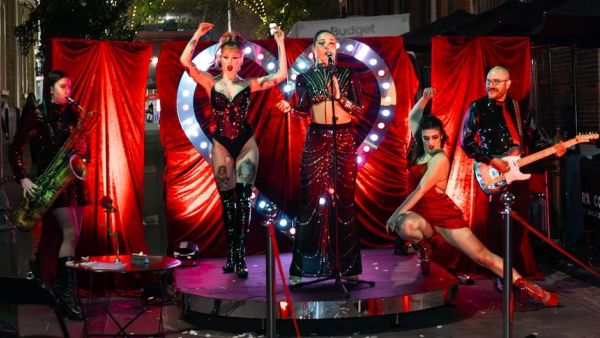
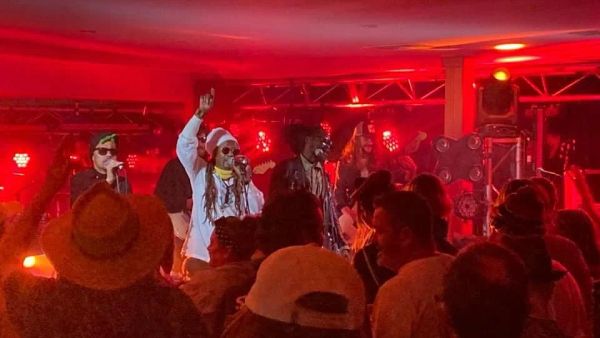
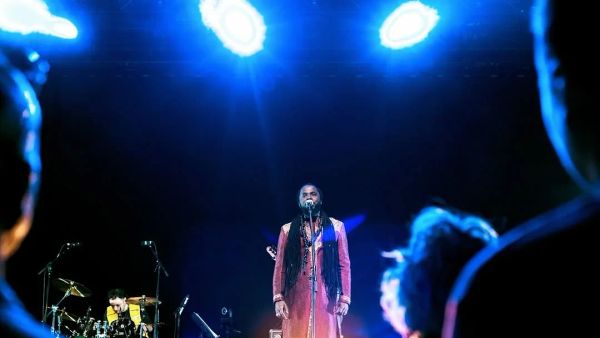
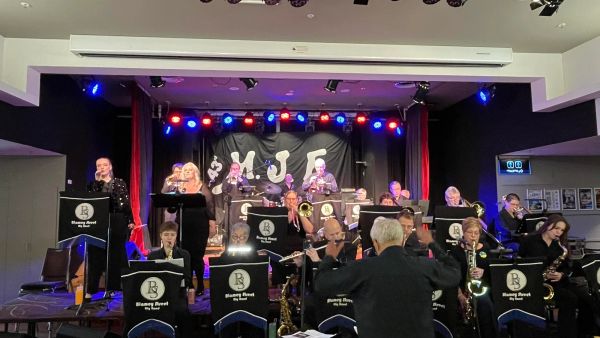

Crows Nest Country Music Festival
8 Jun – 14 Jun · Crows Nest Showgrounds
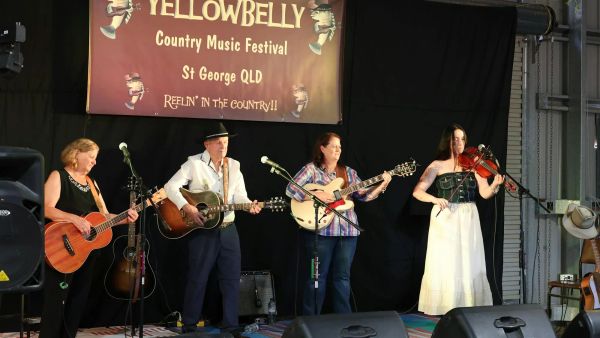
Yellowbelly Country Music Festival
14 Jun – 21 Jun · St George Showgrounds
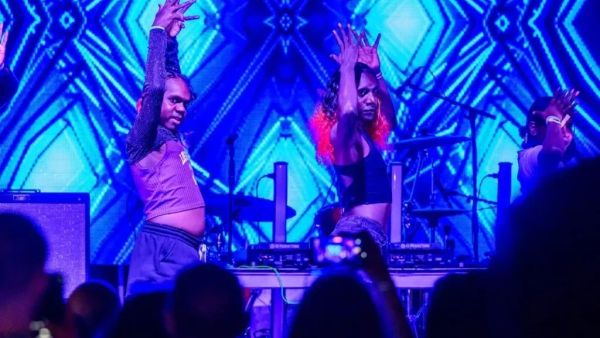
Darwin Pride Music Festival
18 Jun – 21 Jun · Fort Hill Parklands, Darwin Waterfront
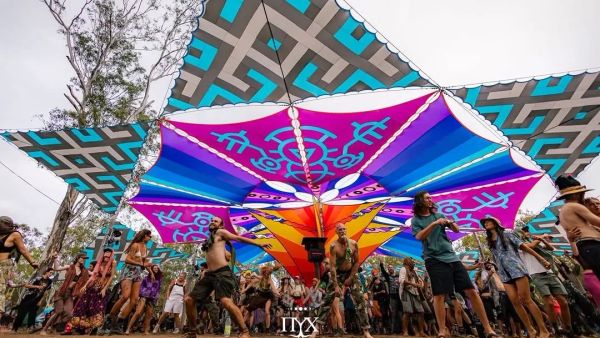
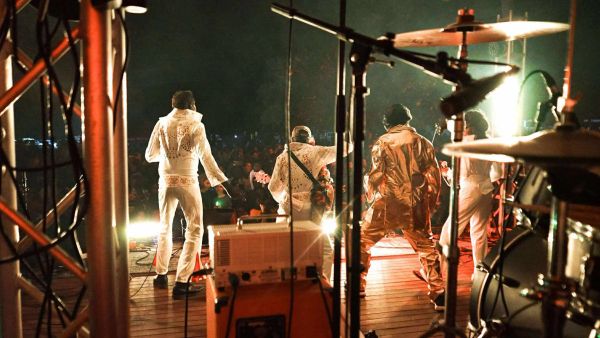
Yirrkala Yarrapay Music and Dance Festival
19 Jun – 20 Jun · Roy Marika Stage at Buku-Larrnggay Mulka Centre
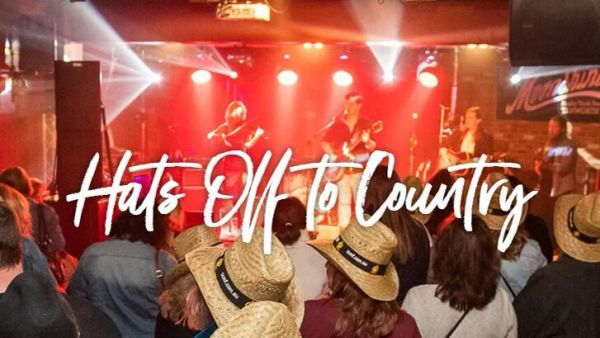
Hats Off (To Country)
10 Jul – 12 Jul · Tamworth Regional Entertainment and Conference Centre
Festivals by country in Australia & New Zealand
Explore by genre in Australia & New Zealand
Other regions

An independent music & festival researcher with 10+ years in the global dance scene.
3 April 2026
